
Period cramps can turn an ordinary day into a painful struggle. For some women, the discomfort feels like a dull ache in the lower abdomen, while others experience intense cramps that interfere with work, school, sleep, and daily activities. You can also calculate your next period date too.
The good news is that there are many proven ways to reduce period cramps naturally and effectively. From heat therapy and exercise to dietary changes and medical treatments, understanding what works can help you manage menstrual pain and improve your quality of life.
How to Reduce Period Cramps Naturally
Menstrual cramps occur when the uterus contracts to shed its lining. These contractions are triggered by hormone-like substances called prostaglandins. Higher levels of prostaglandins are often associated with stronger and more painful cramps.
Natural Remedies for Period Pain
Several natural approaches can help ease discomfort without medication:
- Apply a heating pad to the lower abdomen
- Take a warm bath
- Drink herbal teas
- Stay hydrated
- Get adequate sleep
- Practice relaxation techniques
Many women find that combining multiple remedies provides better relief than relying on just one method.
Home Remedies for Menstrual Cramps
Simple home remedies can often provide significant comfort during your period.
Popular options include:
- Hot water bottles
- Warm compresses
- Ginger tea
- Chamomile tea
- Gentle abdominal massage
- Resting in comfortable positions
These remedies help relax muscles, improve blood flow, and reduce cramp intensity.
How to Reduce Period Cramps Fast
Sometimes you need relief immediately, especially when cramps interfere with work, school, or important activities.
Fast Relief for Menstrual Cramps
If you need quick results, try these methods:
- Apply heat for 15–20 minutes.
- Take a short walk.
- Drink warm water.
- Stretch your lower back and hips.
- Use over-the-counter pain relievers if appropriate.
Many women notice improvement within 30 minutes when combining heat and movement.
How to Stop Period Cramps Quickly
The fastest methods often include:
- Heating pads
- Warm showers
- Ibuprofen or naproxen
- Gentle yoga stretches
- Abdominal massage
Taking action at the first sign of cramps may prevent pain from becoming severe.
How to Reduce Period Cramps Through Diet
What you eat can have a major impact on inflammation, hormone balance, and menstrual symptoms.
Foods That Help Reduce Period Cramps
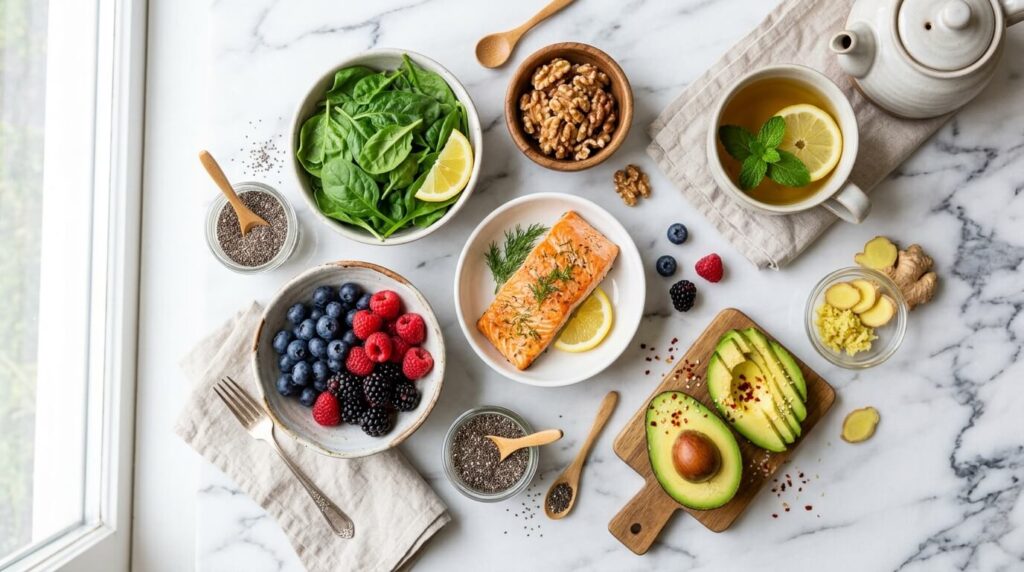
The following foods may help decrease inflammation and support muscle relaxation:
- Salmon
- Sardines
- Walnuts
- Chia seeds
- Spinach
- Kale
- Avocados
- Berries
- Bananas
- Sweet potatoes
These foods contain nutrients such as magnesium, potassium, omega-3 fatty acids, and antioxidants.
Anti-Inflammatory Foods for Menstrual Pain
Anti-inflammatory foods may help lower prostaglandin production.
Excellent choices include:
- Turmeric
- Ginger
- Olive oil
- Leafy greens
- Fatty fish
- Nuts and seeds
Including these foods regularly throughout the month may help reduce future cramps.
Foods to Avoid During Your Period
Certain foods may worsen symptoms.
Try limiting:
- Sugary snacks
- Fried foods
- Processed foods
- Excess caffeine
- Alcohol
- High-sodium meals
Reducing these foods may help decrease bloating and inflammation.
How to Reduce Period Cramps with Exercise
Although exercise may seem difficult during painful periods, physical activity often helps relieve discomfort.
Best Exercises for Period Cramps
Low-impact activities work best during menstruation.
Examples include:
- Walking
- Yoga
- Swimming
- Light cycling
- Stretching
Exercise stimulates endorphins, which are natural pain-relieving chemicals.
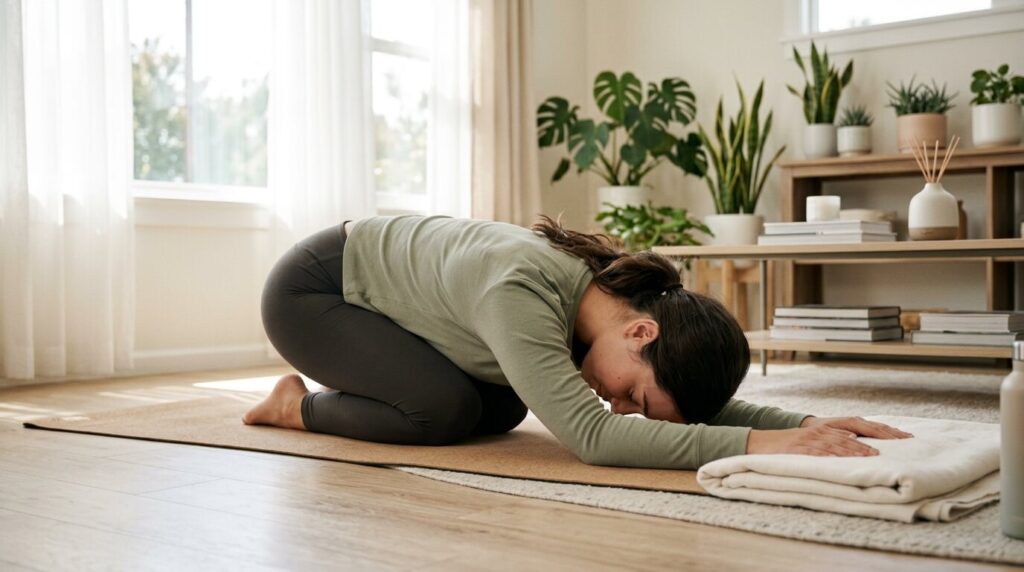
Yoga Poses for Menstrual Pain Relief
Certain yoga poses can help relax pelvic muscles and reduce pressure.
Helpful poses include:
- Child’s Pose
- Cat-Cow Stretch
- Reclining Bound Angle Pose
- Supine Twist
- Knees-to-Chest Stretch
Even ten minutes of gentle stretching can make a difference.
How to Reduce Period Cramps with Vitamins and Minerals
Nutritional deficiencies may contribute to more severe menstrual symptoms.
Magnesium for Period Cramps
Magnesium helps muscles relax and may reduce uterine contractions.
Magnesium-rich foods include:
- Pumpkin seeds
- Almonds
- Cashews
- Black beans
- Spinach
Some women also benefit from magnesium supplements after consulting a healthcare provider.
Calcium and Menstrual Pain
Calcium plays an important role in muscle function.
Good calcium sources include:
- Milk
- Yogurt
- Cheese
- Tofu
- Broccoli
Adequate calcium intake may help decrease cramp severity.
Vitamin B1 and Period Pain Relief
Research suggests vitamin B1 may help reduce menstrual pain in some women.
Sources include:
- Whole grains
- Beans
- Lentils
- Nuts
- Pork
How to Reduce Period Cramps While Sleeping
Nighttime cramps can disrupt sleep and make you feel exhausted.
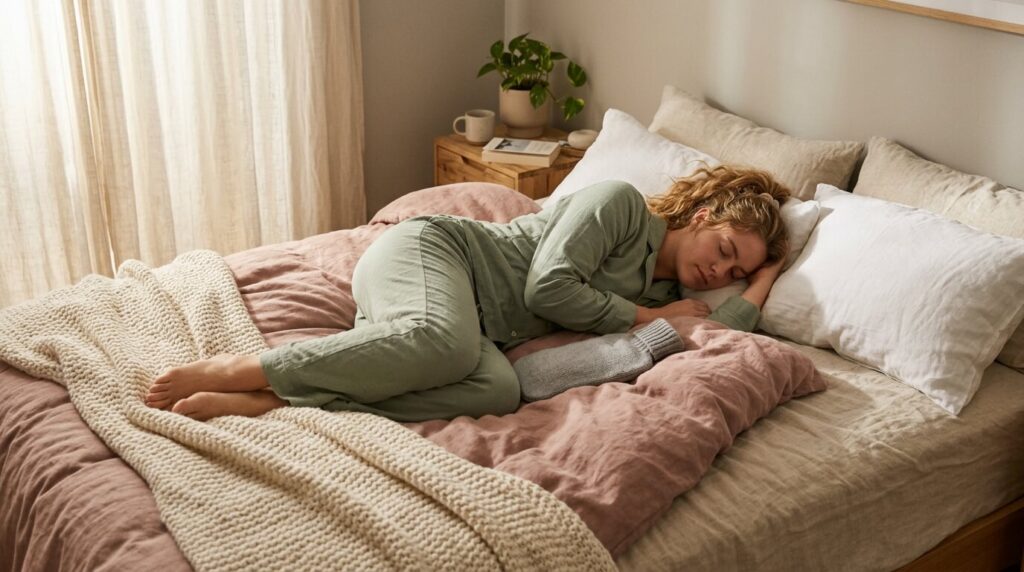
Best Sleeping Position for Period Cramps
The fetal position is often recommended because it:
- Relaxes abdominal muscles
- Reduces pressure on the uterus
- Supports the lower back
Many women find this position more comfortable during menstruation.
Sleep Tips for Menstrual Pain
To improve sleep quality:
- Use a heating pad before bed
- Avoid caffeine late in the day
- Keep your bedroom cool
- Practice deep breathing exercises
- Maintain a consistent sleep schedule
How to Reduce Period Cramps Through Stress Management
Stress can increase pain sensitivity and make cramps feel worse.
Relaxation Techniques for Menstrual Pain
Helpful methods include:
- Meditation
- Deep breathing
- Mindfulness
- Progressive muscle relaxation
- Journaling
Lower stress levels often lead to improved menstrual comfort.
Breathing Exercises for Cramps
Try this simple exercise:
- Inhale slowly for four seconds.
- Hold for four seconds.
- Exhale for six seconds.
- Repeat for five minutes.
Deep breathing helps calm the nervous system and reduce tension.
How to Reduce Period Cramps with Medical Treatments
If natural remedies aren’t enough, medical treatments may provide additional relief.
Over-the-Counter Medications for Period Pain
Common options include:
- Ibuprofen
- Naproxen
- Aspirin (for adults)
These medications work by reducing prostaglandin production.
Birth Control for Menstrual Cramps
Hormonal birth control may reduce:
- Cramp intensity
- Heavy bleeding
- Menstrual irregularities
Discuss options with your healthcare provider to determine what is appropriate for you.
When Period Cramps Could Be a Sign of Something More Serious
Severe menstrual pain is not always normal.
Signs You Should See a Doctor
Seek medical attention if:
- Pain is suddenly worse than usual
- Over-the-counter medications don’t help
- You miss work or school regularly
- Bleeding is unusually heavy
- Pain occurs between periods
Conditions That Cause Severe Menstrual Cramps
Underlying causes may include:
- Endometriosis
- Adenomyosis
- Uterine fibroids
- Pelvic inflammatory disease
Early diagnosis can improve treatment outcomes.
Conclusion
Learning how to reduce period cramps often involves a combination of strategies rather than a single solution. Heat therapy, anti-inflammatory foods, hydration, exercise, stress management, and proper medical care can all play important roles in relieving menstrual pain.
Every woman’s body is different, so it may take some experimentation to discover what works best for you. Start with simple changes, track your symptoms, and don’t hesitate to speak with a healthcare professional if your cramps become severe or interfere with daily life.
FAQ: How to Reduce Period Cramps
How can I reduce period cramps fast?
The fastest ways to reduce period cramps include applying a heating pad to your lower abdomen, taking a warm bath, drinking water, doing gentle stretches, and using over-the-counter pain relievers such as ibuprofen if appropriate. Combining heat therapy with light movement often provides the quickest relief.
What is the best natural remedy for period cramps?
Heat therapy is considered one of the most effective natural remedies for menstrual cramps. Other helpful options include ginger tea, regular exercise, magnesium-rich foods, staying hydrated, and practicing relaxation techniques such as deep breathing or yoga.
What foods help reduce period cramps?
Foods rich in omega-3 fatty acids, magnesium, calcium, and antioxidants may help reduce period pain. Good choices include salmon, walnuts, spinach, chia seeds, berries, avocados, bananas, and leafy green vegetables.
What foods should I avoid during my period?
It’s best to limit processed foods, sugary snacks, fried foods, excessive caffeine, alcohol, and high-sodium meals. These foods can contribute to inflammation, bloating, and worsening menstrual symptoms.
Does drinking water help with period cramps?
Yes. Staying hydrated may help reduce bloating, improve circulation, and support muscle function. Drinking enough water throughout your period can make cramps feel less intense and improve overall comfort.
Can exercise reduce period cramps?
Yes. Exercise releases endorphins, which act as the body’s natural painkillers. Activities such as walking, yoga, stretching, and swimming may help reduce menstrual pain and improve mood during your period.
Is it normal to have severe period cramps?
Mild to moderate cramps are common, but severe menstrual pain that interferes with daily activities is not always normal. Conditions such as endometriosis, adenomyosis, and uterine fibroids can cause intense cramps and should be evaluated by a healthcare provider.
How long do period cramps usually last?
Period cramps typically begin one to three days before menstruation or on the first day of bleeding. They are usually most intense during the first 24 to 48 hours and gradually improve within two to three days.
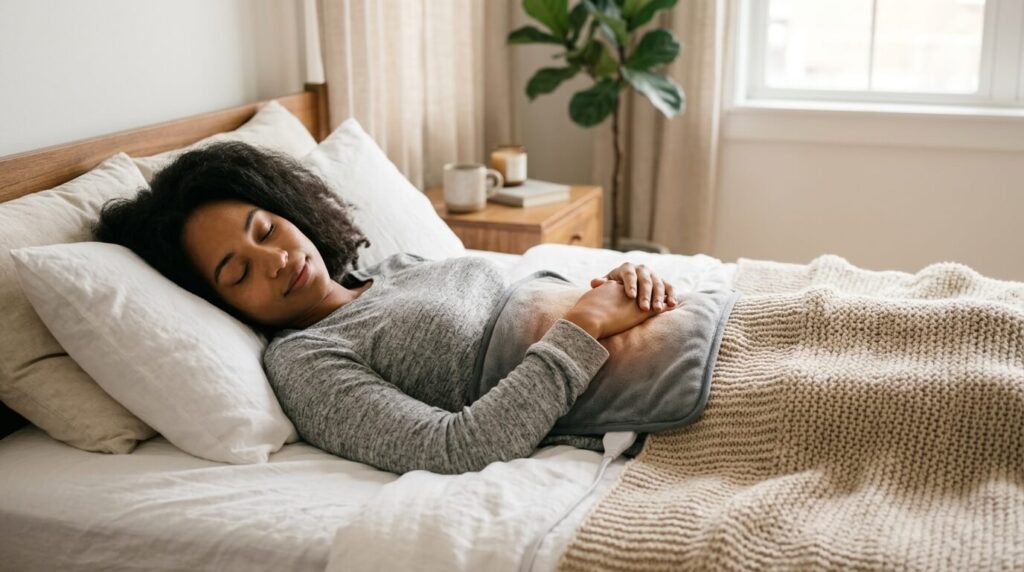
Does a heating pad really help period cramps?
Yes. Heat helps relax the uterine muscles responsible for cramping and improves blood flow to the area. Many studies have shown that heat therapy can be highly effective for relieving menstrual pain.
Can stress make period cramps worse?
Stress does not directly cause cramps, but it can increase pain sensitivity and muscle tension, making menstrual discomfort feel worse. Managing stress through meditation, deep breathing, and adequate sleep may help reduce symptoms.
What vitamins help reduce period cramps?
Several vitamins and minerals may support menstrual comfort, including magnesium, calcium, vitamin B1 (thiamine), vitamin D, and omega-3 fatty acids. These nutrients help support muscle function and reduce inflammation.
What is the best sleeping position for period cramps?
The fetal position is often recommended because it relaxes the abdominal muscles and reduces pressure on the uterus. Many women find this position helps decrease pain and improves sleep quality during their period.
Can period cramps get worse with age?
For some women, period cramps improve with age or after childbirth. However, worsening cramps later in life may indicate an underlying condition such as fibroids or endometriosis and should be discussed with a healthcare provider.
When should I see a doctor about period cramps?
You should see a doctor if your cramps are severe, suddenly become worse, do not improve with medication, cause you to miss school or work, or are accompanied by very heavy bleeding or unusual symptoms.
Can hormonal birth control help reduce period cramps?
Yes. Hormonal birth control methods such as pills, patches, injections, hormonal IUDs, and vaginal rings can reduce prostaglandin production, making periods lighter and less painful for many women.