Discover the best foods that fight nausea during pregnancy, including easy-to-digest snacks, natural remedies, and nutrient-rich options to help reduce morning sickness and support a healthy pregnancy. If you’re searching for foods that fight nausea during pregnancy at 6 a.m. while staring at the ceiling, you’re not alone. Up to 80% of pregnant women experience nausea — often called morning sickness — typically during the first trimester. The cruel irony? You need to eat well for your baby, but eating feels like the last thing you want to do.
The good news is that specific foods and eating strategies can genuinely reduce pregnancy nausea. This guide covers everything: which foods help, why they work, how to eat them, what to avoid, and when nausea is serious enough to call your doctor. It’s the most complete resource you’ll find on this topic.
What Is Morning Sickness? (And Why It’s Misnamed)
Morning sickness is a misleading term. Pregnancy-related nausea and vomiting can strike at any time — morning, afternoon, evening, or all day long.
Key facts:
- Affects approximately 70–80% of pregnant women
- Usually begins around weeks 4–6 of pregnancy
- Peaks between weeks 8–12
- Typically resolves by weeks 16–20
- Caused by rising levels of human chorionic gonadotropin (hCG), estrogen, progesterone, and changes in gastrointestinal motility
For most women, morning sickness is unpleasant but not dangerous. However, a severe form called hyperemesis gravidarum (HG) affects about 1–3% of pregnancies and can cause dangerous dehydration and malnutrition requiring medical treatment.
Why Food Choices Matter for Pregnancy Nausea
What you eat — and how you eat — directly affects nausea severity. Certain foods:
- Slow gastric emptying (keeping your stomach settled)
- Reduce stomach acid
- Contain antiemetic compounds (like gingerols in ginger)
- Replenish electrolytes lost through vomiting
- Provide vitamin B6, which is clinically shown to reduce nausea
Understanding these mechanisms helps you make smarter choices, not just follow a random list.
The Science Behind Food and Pregnancy Nausea
The Role of Vitamin B6 (Pyridoxine)
Vitamin B6 is one of the most evidence-based natural remedies for pregnancy nausea. Multiple clinical studies show that 25 mg of B6 taken three times daily can significantly reduce nausea severity. Foods naturally rich in B6 include:
- Bananas
- Poultry (chicken, turkey)
- Potatoes
- Fortified cereals
- Sunflower seeds
The American College of Obstetricians and Gynecologists (ACOG) recommends vitamin B6 as a first-line treatment for mild to moderate nausea during pregnancy.
Ginger’s Active Compounds
Ginger contains gingerols and shogaols — compounds that interact with serotonin receptors in the gut and brain. Multiple randomized controlled trials confirm ginger reduces pregnancy nausea significantly compared to placebo. A meta-analysis published in the Nutrition Journal found that 1,000 mg of ginger per day is both safe and effective.
Protein’s Stabilizing Effect
High-protein foods help stabilize blood sugar. Fluctuating blood glucose is a known nausea trigger, especially when the stomach is empty. Small, protein-containing snacks prevent the blood sugar dips that worsen nausea.
Cold vs. Hot Foods
Hot foods release stronger aromas, which can trigger the vomiting reflex in highly smell-sensitive pregnant women. Cold or room-temperature foods have minimal odor and are generally better tolerated.

20 Best Foods That Fight Nausea During Pregnancy
1. Ginger (The Gold Standard)
Why it works: Gingerols act on the digestive tract and brain to suppress nausea signals.
How to use it:
- Fresh ginger tea: steep 4–5 thin slices of ginger root in hot water for 5–10 minutes
- Ginger chews or ginger candies (look for real ginger content, not just flavoring)
- Ginger ale made with real ginger (avoid high-fructose corn syrup versions)
- Ginger snaps or ginger biscuits
- Add grated ginger to rice or broth-based soups
Caution: Check with your midwife or OB before taking ginger supplements; most find up to 1,000 mg/day from food sources safe, but supplements need professional guidance.

2. Saltine Crackers and Plain Crackers
Why they work: Dry, low-fat, easily digestible carbohydrates absorb stomach acid and settle the stomach without triggering further nausea.
Best practice: Keep a small packet of plain crackers on your nightstand. Eating a few before getting out of bed in the morning — before your blood sugar drops — is one of the most consistently recommended strategies by obstetricians.
Good options: Saltines, rice crackers, plain water biscuits, digestive biscuits (plain variety)

3. Bananas
Why they work: Bananas are rich in vitamin B6 and potassium (which replaces electrolytes lost through vomiting). They’re also bland, easy to digest, and require no preparation — ideal when cooking smells trigger nausea.
How to use: Eat half a banana before bed or first thing in the morning. Frozen banana bites are a great cold-food option.

4. Plain Rice
Why it works: White rice is one of the blandest, most easily digestible carbohydrates available. It has almost no smell, a neutral taste, and provides quick energy without stressing the digestive system.
Tip: Plain rice with a pinch of salt, or paired with mild broth, is easier to keep down than rice with spices or sauces.

5. Toast and Dry Bread
Why it works: Like crackers, plain toast is a low-fat, low-fiber carbohydrate that absorbs stomach acid. Avoid buttering it when nausea is severe — fat slows gastric emptying.
Variations: Sourdough toast, plain white or whole meal toast, plain bagels.

6. Applesauce
Why it works: Mild, low-fat, and requires no chewing effort. Applesauce provides simple carbohydrates and a small amount of pectin, a soluble fiber that soothes the digestive tract.
Best practice: Choose unsweetened varieties to avoid blood sugar spikes, which can worsen nausea.

7. Lemon and Lemon Water
Why it works: The scent and taste of lemon are clinically shown to reduce nausea. A study published in Iranian Red Crescent Medical Journal found that inhaling lemon essential oil reduced nausea and vomiting in pregnant women. The acidic-yet-refreshing profile of lemon may also stimulate saliva production, which aids digestion.
How to use:
- Add fresh lemon slices to cold water and sip throughout the day
- Sniff a freshly cut lemon wedge when nausea strikes suddenly
- Lemon popsicles or lemon sorbet (cold foods are easier to tolerate)

8. Watermelon and Hydrating Fruits
Why they work: Dehydration significantly worsens nausea. Watermelon is ~92% water, making it one of the most hydrating foods you can eat. Its mild sweetness and cold temperature make it palatable when little else appeals.
Other hydrating fruits: Cucumber, cantaloupe, frozen grapes, pear.
Important: If vomiting is frequent, these fruits help replace fluid losses between meals.

9. Cold Smoothies
Why they work: Blending nutrients into a cold, odorless (or low-odor) drink bypasses some of the aversion to chewing or smelling food. You can pack a smoothie with protein (Greek yogurt, nut butter), B6 (banana), and electrolytes (coconut water) in one drinkable form.
Anti-nausea smoothie recipe:
- ½ frozen banana
- ½ cup plain Greek yogurt
- ½ cup coconut water
- Small piece of fresh ginger
- A few mint leaves
- Blend until smooth; drink cold

10. Greek Yogurt
Why it works: High in protein (stabilizes blood sugar), calcium, and probiotics (which support gut health). Research suggests gut microbiome imbalance may contribute to pregnancy nausea, and probiotic-rich foods may offer some benefit.
Tips: Choose plain, full-fat Greek yogurt. Flavored varieties often contain high sugar, which can worsen nausea.

11. Chicken or Vegetable Broth
Why it works: When solid food is intolerable, broth provides sodium, potassium, and hydration in a warm or cold, easily digestible liquid. Sodium helps retain fluid, preventing dehydration.
Tip: Sip broth slowly between meals rather than with food, to avoid overfilling the stomach.

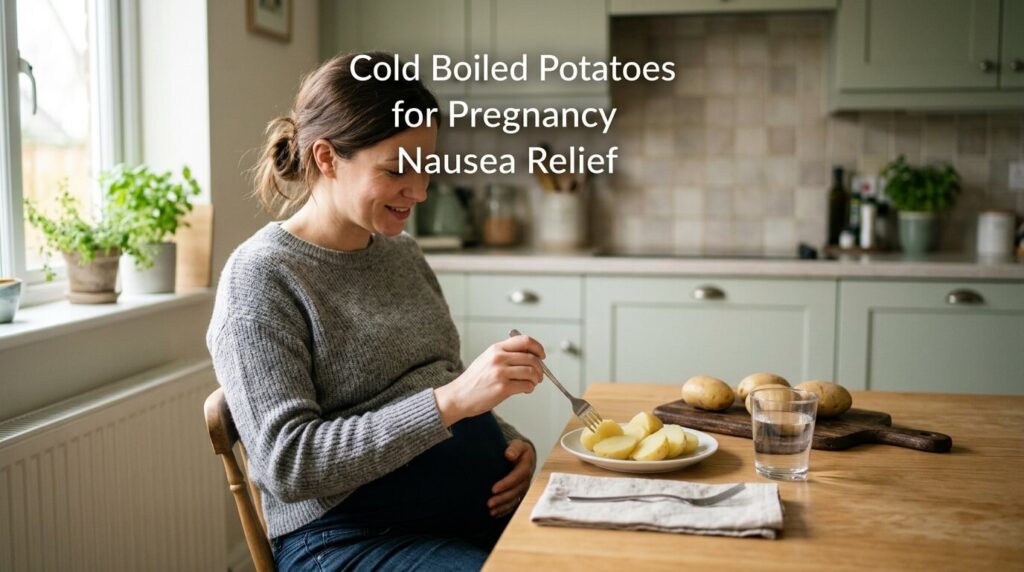
12. Cold Boiled Potatoes
Why they work: Plain potatoes are bland, filling, and rich in vitamin B6. Eating them cold further reduces any odor. They also provide complex carbohydrates that sustain energy and prevent blood sugar dips.
Serving idea: Boil, let cool, lightly salt. Avoid frying or heavy seasoning.
13. Protein-Rich Snacks (Nuts, Nut Butter, Hard-Boiled Eggs)
Why they work: Protein slows gastric emptying in a beneficial way — it prevents the stomach from emptying too fast (which causes hunger-related nausea) while avoiding the fat-heavy slowdown that triggers discomfort.
Best options:
- A small handful of almonds or walnuts
- A tablespoon of peanut or almond butter on plain crackers
- Hard-boiled eggs (eat cold to minimize smell)
- String cheese
Note: Some women develop aversions to meat during the first trimester — plant-based proteins like nut butters and legumes are excellent alternatives.

14. Peppermint Tea or Peppermint Candies
Why it works: Peppermint’s active compound, menthol, relaxes the smooth muscles of the gastrointestinal tract and reduces spasms that contribute to nausea. Peppermint aromatherapy has also been studied as a complementary nausea relief strategy.
Caution: Avoid peppermint if you suffer from acid reflux, as it can relax the lower esophageal sphincter and worsen heartburn — already common in pregnancy.

15. Oatmeal
Why it works: Plain oatmeal is a bland, warm, and easily digestible whole grain. It provides complex carbohydrates, a small amount of protein, and soluble fiber that soothes the digestive tract. It also contains iron and B vitamins.
Tip: Cook with water rather than milk if dairy triggers nausea. Add a spoonful of nut butter for protein.

16. Coconut Water
Why it works: Pregnancy nausea and vomiting deplete electrolytes — sodium, potassium, and magnesium. Coconut water naturally replenishes these electrolytes without the artificial colors or excess sugar of many sports drinks.
Best practice: Sip slowly and chill before drinking for better tolerance.

17. Frozen Popsicles (Fruit-Based)
Why they work: Cold temperature suppresses nausea (cold foods have less odor and a numbing effect). Fruit popsicles also provide hydration and simple sugars for quick energy when eating solid food is impossible.
DIY option: Blend watermelon or mango with coconut water and freeze in popsicle molds for a nutritious, homemade version.

18. Bland Pasta
Why it works: Plain pasta with minimal sauce (or a light drizzle of olive oil and salt) is a go-to comfort food that’s easy to eat in small amounts. Like rice, it provides quick carbohydrates without overwhelming the digestive system.
Tip: Avoid tomato-heavy sauces, which can trigger acid reflux and worsen nausea.

19. Herbal Teas (Ginger, Chamomile, Lemon Balm)
Why they work: Beyond ginger tea (discussed above), chamomile has mild antispasmodic properties that relax the digestive tract. Lemon balm tea has a gentle calming effect.
Safety note: Not all herbal teas are safe in pregnancy. Avoid teas containing: licorice root, pennyroyal, black cohosh, or high doses of any concentrated herb. Always consult your healthcare provider or midwife before adding new herbal teas to your routine.

20. Fortified Breakfast Cereals
Why they work: Many plain cereals (Cheerios, corn flakes, plain bran flakes) are fortified with folic acid — essential in the first trimester for neural tube development — as well as vitamin B6 and iron. Eating a small bowl dry (or with cold milk if tolerated) first thing in the morning can keep blood sugar stable.
Foods to Avoid When Experiencing Pregnancy Nausea
Equally important to knowing what to eat is knowing what to avoid:
| Food/Drink to Avoid | Why It Worsens Nausea |
|---|---|
| Fatty, fried foods | Slow gastric emptying; increase acid reflux |
| Spicy foods | Irritate the stomach lining |
| Very sweet or sugary foods | Cause blood sugar spikes and crashes |
| Caffeinated drinks | Can increase acid production and worsen dehydration |
| Alcohol | Completely off-limits in pregnancy; extremely nauseating |
| Strong-smelling foods | Activate vomiting reflex via smell |
| Raw onion or garlic | Pungent compounds trigger nausea in many pregnant women |
| Carbonated sodas (high sugar) | Gas can worsen bloating and nausea |
Eating Strategies That Make a Real Difference
The when and how of eating matters just as much as the what.
Eat Small, Frequent Meals
An empty stomach produces more stomach acid, which worsens nausea. Eating every 2–3 hours in small amounts keeps stomach acid in check and blood sugar stable. Aim for 5–6 small meals rather than 3 large ones.
Don’t Lie Down After Eating
Lying down immediately after eating encourages acid reflux, which mimics and worsens nausea. Stay upright for at least 30–45 minutes after meals.
Eat Before Getting Out of Bed
Keep plain crackers or dry toast on your nightstand. Eat a few pieces before sitting up in the morning. This raises blood sugar before the nausea-inducing hormonal morning peak.
Separate Liquids and Solids
Drinking large amounts of fluid with meals can stretch the stomach and worsen nausea. Instead, sip fluids between meals — aim for small sips frequently rather than large glasses at once.
Prioritize Cold Foods
When cooking smells trigger nausea, shift to cold meals: yogurt, cold pasta salad, cheese, fruit, cold boiled eggs, smoothies. Cold foods release fewer volatile odor compounds.
Identify and Avoid Your Triggers
Keep a simple food diary for a few days. Note which smells, textures, or foods immediately worsen your symptoms. Common triggers include: cooking meat, strong spices, coffee, and anything with strong odor.

Hydration: The Overlooked Priority
Staying hydrated is critical when experiencing pregnancy nausea, especially if vomiting occurs. Dehydration worsens nausea, creating a vicious cycle.
Daily fluid targets: Aim for 8–10 cups (2–2.5 liters) of fluid daily, but sip slowly throughout the day.
Best hydration choices:
- Plain cold water with lemon slices
- Coconut water
- Diluted fruit juice
- Herbal tea (safe varieties)
- Broth
- Fruit-based popsicles
- Watermelon and cucumber
Signs of dehydration to watch for:
- Dark yellow urine
- No urination for 8+ hours
- Dizziness when standing
- Dry mouth and lips
The Role of Prenatal Vitamins in Managing Nausea
Prenatal vitamins are essential, but the iron they contain can worsen nausea. Strategies to minimize this:
- Take prenatal vitamins with food, not on an empty stomach
- Take them before bed rather than in the morning when nausea peaks
- If nausea is severe, discuss switching to a gummy prenatal vitamin (gentler on the stomach)
- Ask your OB or midwife about temporarily taking just folic acid (400–800 mcg/day) and vitamin D if the full prenatal vitamin is intolerable
Other Evidence-Based Strategies That Complement Dietary Changes
Vitamin B6 Supplementation
Beyond food sources, supplemental B6 (pyridoxine) at 10–25 mg, 3 times daily, is recommended as a first-line treatment by ACOG. Always discuss dosage with your healthcare provider.
Acupressure (P6 Point)
Pressing on the Neiguan point (P6), located on the inner wrist about 3 finger widths below the wrist crease, is supported by multiple studies for reducing nausea. Sea-Band wristbands use this principle and are safe during pregnancy.
Rest and Stress Management
Fatigue dramatically worsens nausea. Resting during the first trimester when possible, managing stress, and avoiding overheating all contribute to better nausea control.
Fresh Air
Nausea is often worse in stuffy, warm environments. Opening windows or stepping outside briefly when nausea hits can provide real relief.
Hyperemesis Gravidarum: When Nausea Is Serious
Hyperemesis gravidarum (HG) is a severe pregnancy complication characterized by:
- Vomiting more than 3–4 times per day
- Inability to keep any food or fluids down for 24 hours
- Weight loss greater than 5% of pre-pregnancy body weight
- Signs of dehydration (dark urine, dizziness, weakness)
HG is not “just bad morning sickness” — it’s a medical condition requiring treatment. If you experience these symptoms, contact your midwife, OB, or emergency services immediately.
Treatment for HG may include IV fluid rehydration, antiemetic medications, nutritional support, and in severe cases, hospitalization.

When to Call Your Doctor or Midwife
Contact your healthcare provider if you:
- Cannot keep fluids down for more than 24 hours
- Have not urinated in more than 8 hours, or urine is very dark
- Feel dizzy or faint when standing
- Have abdominal pain alongside nausea
- Vomit blood or notice blood in vomit
- Have lost significant weight
- Nausea and vomiting continue past 20 weeks with no improvement
Quick Reference: Best Anti-Nausea Foods by Category
| Category | Best Options |
|---|---|
| Carbohydrates | Saltines, plain rice, dry toast, plain pasta, plain oatmeal |
| Fruits | Bananas, watermelon, applesauce, frozen grapes, lemon |
| Protein | Greek yogurt, nut butter, hard-boiled eggs, almonds |
| Drinks | Ginger tea, lemon water, coconut water, peppermint tea, cold broth |
| Cold Foods | Popsicles, smoothies, cold potatoes, frozen banana bites |
| Herbs/Spices | Ginger, peppermint, lemon, chamomile |
Frequently Asked Questions
1. What is the single best food to eat when you have morning sickness?
Ginger is supported by the strongest clinical evidence for reducing pregnancy nausea. However, no single food works for every woman. Pairing ginger (as tea or chews) with small, frequent bland carbohydrate snacks (crackers, plain rice, dry toast) is the most reliable combination for most women.
2. Is it safe to eat ginger every day during pregnancy?
Yes, consuming ginger from food sources — tea, fresh ginger in cooking, ginger chews — is generally considered safe throughout pregnancy. Most studies use up to 1,000 mg/day without adverse effects. Avoid high-dose ginger supplements (over 1,500 mg/day) without medical guidance.
3. What should I eat first thing in the morning to prevent nausea?
Eat a small amount of dry, bland carbohydrate (plain crackers, dry toast, a plain biscuit) before sitting up in bed. This raises blood sugar before you stand up, preventing the classic morning nausea spike.
4. Does vitamin B6 actually help with pregnancy nausea?
Yes. Vitamin B6 (pyridoxine) is one of the most studied and recommended natural treatments for pregnancy nausea, backed by ACOG guidelines. Food sources include bananas, potatoes, fortified cereals, and poultry. Your OB can recommend a supplemental dose if dietary intake isn’t sufficient.
5. Are cold foods better than hot foods for morning sickness?
For many women, yes. Hot foods release more volatile aroma compounds, which can trigger the gag reflex. Cold or room-temperature foods are generally lower in odor and easier to tolerate during bouts of nausea.

6. Can drinking water make nausea worse?
Drinking large amounts of water quickly can worsen nausea by overfilling the stomach. Instead, sip small amounts of cold water frequently throughout the day. Adding lemon slices or mint may make water more tolerable.
7. What can I eat when I can’t stomach anything at all?
Start with the tiniest amounts of the blandest foods: a single cracker, a spoonful of applesauce, a few sips of cold water with lemon, or a popsicle. Sipping cool ginger tea or coconut water is often the first step when solid food feels impossible.
8. Does protein help with morning sickness?
Yes. Protein stabilizes blood sugar and slows gastric emptying in a way that prevents the blood sugar dips that worsen nausea. A small high-protein snack (nut butter on crackers, a few almonds, Greek yogurt) before bed can reduce morning nausea the next day.
9. Are there foods that make morning sickness worse?
Yes. Fatty, fried, and spicy foods worsen nausea for most women. Strong-smelling foods (cooked meat, garlic, onions, coffee) are common triggers. Very sweet foods cause blood sugar spikes followed by crashes that intensify nausea.
10. Does eating before bed help with morning sickness?
Yes. Eating a high-protein or complex-carbohydrate snack before bed (nut butter on toast, a small bowl of plain oatmeal, Greek yogurt) helps maintain stable blood sugar overnight, reducing the severity of nausea upon waking.
11. Can dehydration make morning sickness worse?
Absolutely. Dehydration worsens nausea significantly and creates a vicious cycle — you’re nauseous, so you don’t drink, which worsens your nausea. Prioritizing hydration through sips of water, coconut water, or cold broth throughout the day is essential.
12. When does morning sickness usually end?
For most women, nausea peaks between weeks 8–12 and resolves by weeks 16–20. A small percentage of women experience nausea throughout their entire pregnancy, which warrants medical attention if severe.
13. Is peppermint safe during pregnancy?
Peppermint tea in moderate amounts is generally considered safe for most pregnant women and may help relieve nausea. However, avoid peppermint if you have acid reflux, as it can worsen heartburn. Always check with your healthcare provider.
14. What’s the difference between morning sickness and hyperemesis gravidarum?
Morning sickness involves nausea and occasional vomiting that doesn’t cause dehydration or significant weight loss, and can usually be managed with dietary strategies. Hyperemesis gravidarum is severe, persistent vomiting causing dehydration, significant weight loss, and inability to function normally — it requires medical treatment.
15. Can prenatal vitamins make morning sickness worse?
Yes, the iron in prenatal vitamins can worsen nausea, particularly on an empty stomach. Take them with food, switch to taking them at bedtime, or ask your provider about a different formulation. Gummy prenatals are often better tolerated.